







Search Results for: St. Thomas Parish
A Detailed Guide to Jamaican Blue Mountain Coffee Bean Production Regions: Is Saint Thomas Parish Authentic?
Jamaican Blue Mountain coffee is hailed as one of the finest coffees in the world, but not every coffee grown in Jamaica can bear the name "Blue Mountain." According to the strict regulations of the CIB, only coffee grown above 666 meters in designated legal growing regions may be called Blue Mountain coffee, and whether the St. Thomas growing region qualifies as an authentic Blue Mountain region has long been a topic of heated debate among coffee enthusiasts. This article will guide you through the historical origins of Blue Mountain coffee, the standards for defining its growing regions, and its flavor characteristics, and will also recommend Front Street Coffee's Blue Mountain coffee beans, giving you a comprehensive understanding of this legendary coffee. [more…]
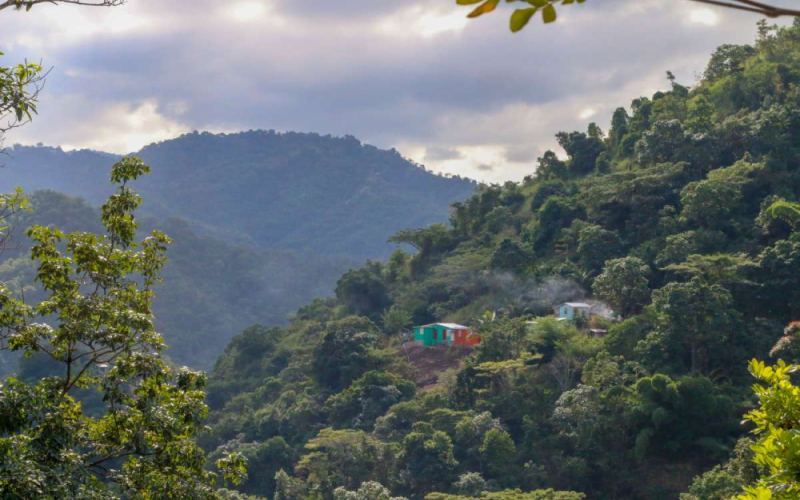
A Comprehensive Introduction to the Flavor Profile Analysis and Bean Characteristics of Jamaican Blue Mountain Coffee from the St. Thomas Region
Jamaican Blue Mountain coffee occupies an almost legendary position in the global coffee landscape, and the St. Thomas region is one of the three core producing areas that make up this legend. This article will systematically organize the characteristics and cup profile of coffee beans from the St. Thomas region from multiple perspectives, including geographical environment, historical evolution, industry management, and grade classification, while also introducing the quality certification system for Blue Mountain coffee and the deep influence of Japanese capital on the industry. For enthusiasts who wish to gain a deeper understanding of the true essence of Blue Mountain coffee, this is a regional guide that is both informative and professional. Front Street Coffee will also provide readers with reliable product references in this article. [more…]
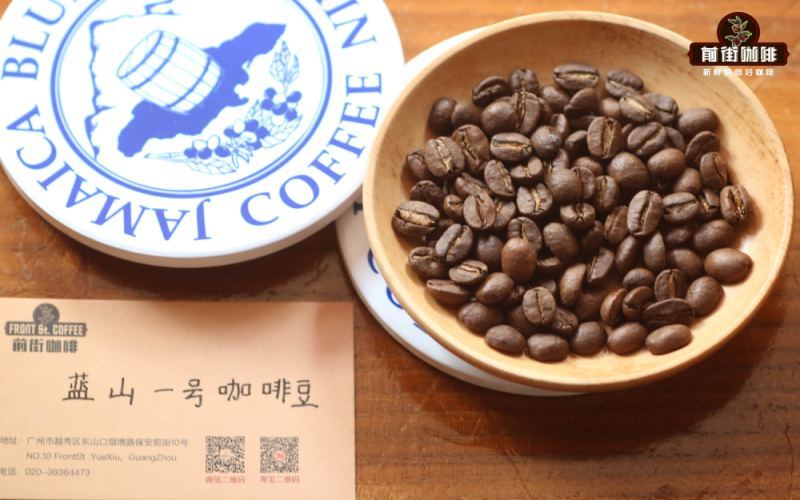
A Complete Analysis of Jamaican Blue Mountain Coffee Origins: Three Major Producing Regions Including St. Andrew, Varieties, Grades, and Flavor Characteristics
Jamaica Blue Mountain coffee is globally recognized as a representative of specialty coffee, but products labeled "Blue Mountain flavor" or "Blue Mountain blend" keep appearing on the market, while genuine Blue Mountain coffee beans must come from the Blue Mountains of Jamaica. In this article, Front Street Coffee sorts out the complete origin information of Blue Mountain coffee, including the three major producing regions of St. Andrew, Portland, and St. Thomas, the three grade classifications of Blue Mountain, High Mountain, and Jamaica, the Typica variety and the washed processing tradition, as well as the iconic barrel export method. It also introduces the Clifton Farm Blue Mountain No. 1 selected by Front Street, along with pour-over brewing parameters and flavor description. [more…]
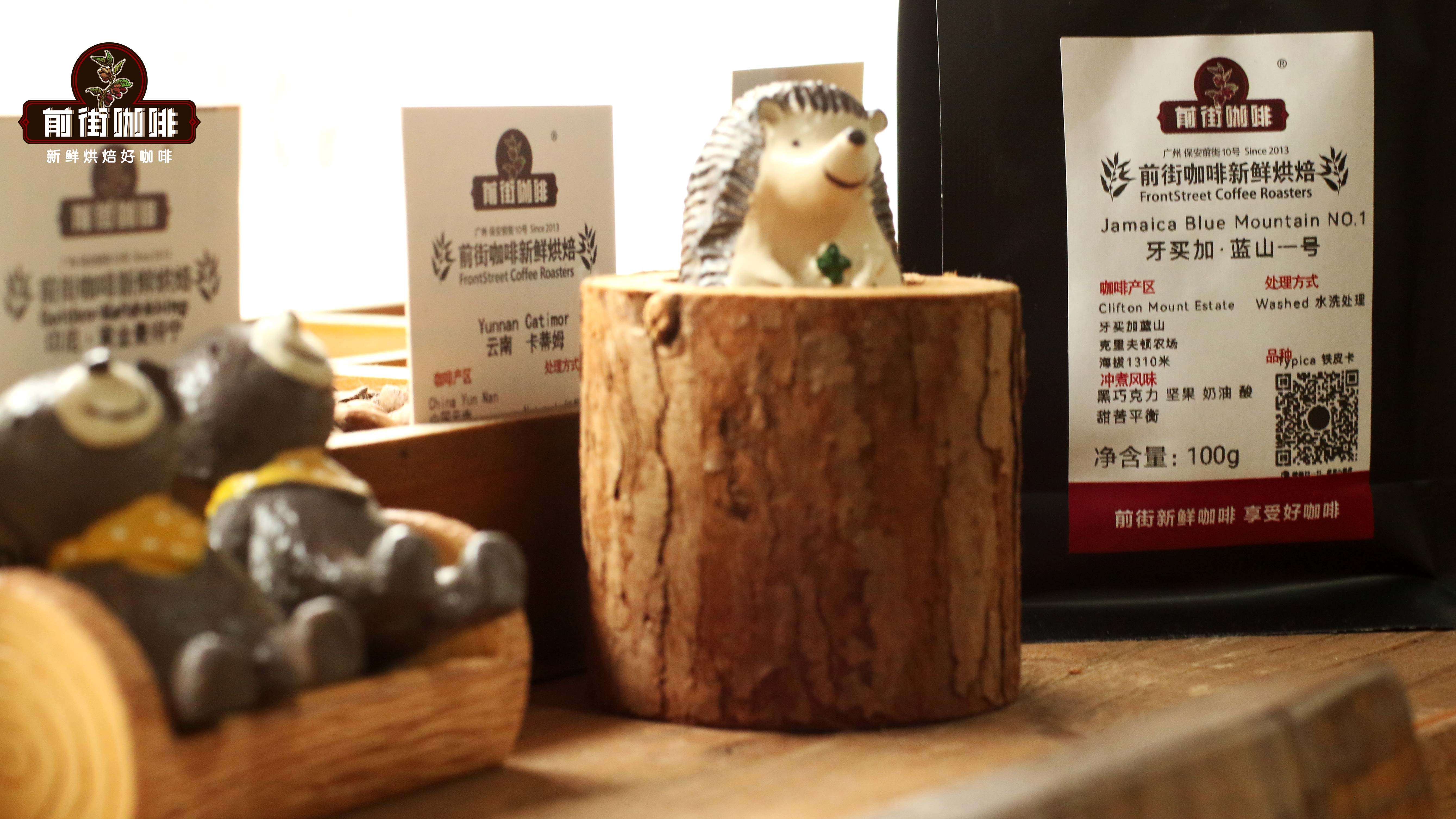
A Complete Analysis of Jamaican Blue Mountain Coffee Origins: A Detailed Explanation of the Three Major Producing Regions Including St. Andrew and the Grading System
Jamaican Blue Mountain coffee is globally recognized as one of the top specialty coffees, but the market is flooded with countless imitations labeled "Blue Mountain flavor" or "Blue Mountain blend." Authentic Blue Mountain coffee beans come exclusively from three major regions in Jamaica's Blue Mountain range: Saint Andrew, Portland, and Saint Thomas. This article will guide you through Blue Mountain coffee's geographical advantages, historical background, strict grading system, and unique barrel-export tradition. Meanwhile, Front Street Coffee will share the reasons behind selecting Clifton Farm Blue Mountain No. 1, along with pour-over brewing parameters and flavor profile, helping coffee enthusiasts gain a comprehensive understanding of this legendary coffee. [more…]
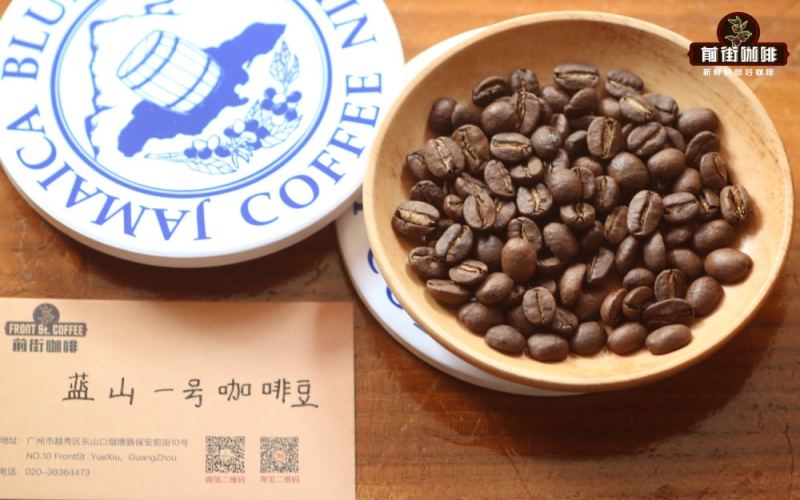
A Complete Guide to Jamaica Blue Mountain Coffee Regions: Saint Thomas, Portland, and Saint Andrew & Brewing Guide to Their Grades and Varieties
Blue Mountain coffee is almost the most recognizable name in the world of specialty coffee, yet few people truly understand it. Which producing regions does Jamaican Blue Mountain actually cover? How do Blue Mountain, High Mountain, and Jamaican coffee differ from one another? Why has the Typica variety survived in the Blue Mountains to this day? This article begins with Front Street Jamaican Blue Mountain coffee and systematically reviews the historical background of Blue Mountain coffee, the distribution of its three major producing regions, the CIB grading standards, the characteristics of the Typica variety, and the differences between washed and natural processing methods. It also includes Front Street Coffee's complete brewing parameters and flavor description, helping readers build a comprehensive understanding of Blue Mountain coffee and find the cup that suits their own taste. [more…]
The True Definition of Jamaican Blue Mountain Coffee and a Full Analysis of the Famous Estates in Its Producing Region
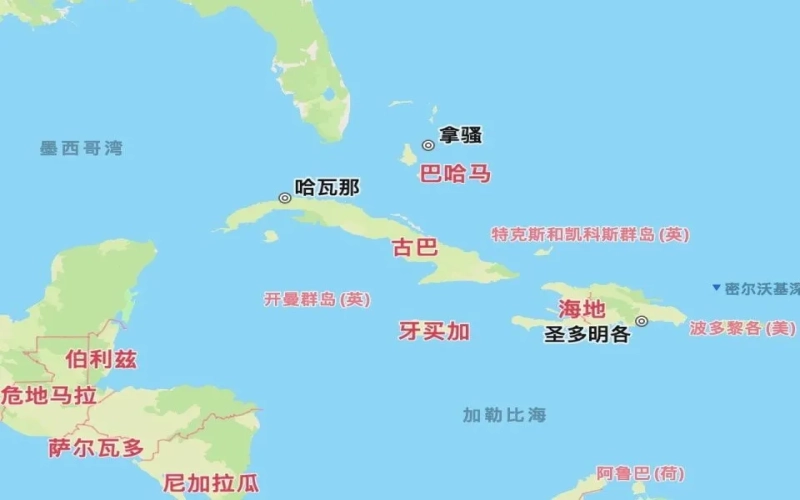
Blue Mountain coffee is hailed as a gem of the coffee world, but what exactly qualifies a coffee to bear the name "Jamaica Blue Mountain"? Starting from Jamaica's geographical environment and the unique terroir of the Blue Mountain range, this article traces the complete story of Blue Mountain coffee—from its introduction in the 18th century and its rise and fall during the colonial period to the establishment of the modern legally defined appellation system. It explains in detail the strict definitions set by the Coffee Industry Regulation Act regarding production area boundaries, altitude, and varieties, and introduces the barrel packaging and grading standards. At the same time, it acquaints you with two representative estates, Clifton Mount Estate and Stony Hill Estate, as well as the flavor characteristics of Blue Mountain No. 1 produced by Front Street Coffee. [more…]
A Comprehensive Analysis of the Reasons for the High Price of Jamaican Blue Mountain Coffee and Its Flavor Characteristics
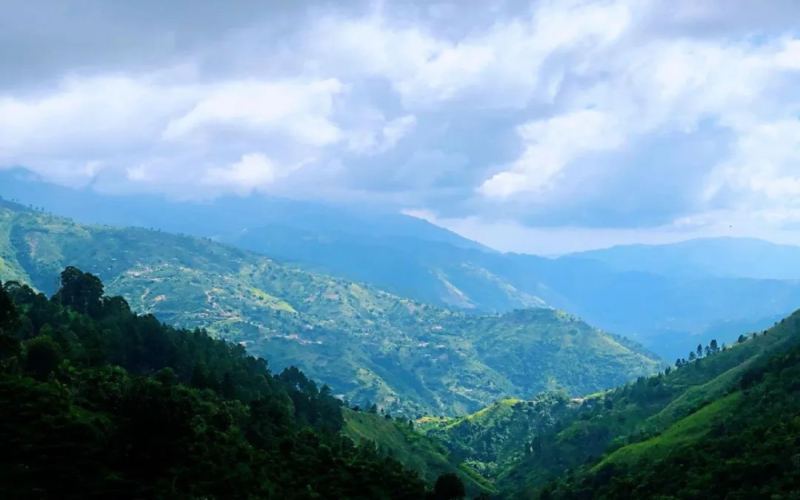
Blue Mountain coffee has long been regarded as synonymous with high-quality coffee, and its price has consistently remained high. It is produced in the Blue Mountains of eastern Jamaica, where fertile volcanic soil, abundant rainfall, and year-round mist provide ideal growing conditions for the Typica variety. The high cost of Blue Mountain coffee stems not only from its terroir but is also closely tied to historical hurricane disasters, long-term exclusive purchase contracts held by Japanese companies, and strict regulation by the Jamaican government. This article will outline the origins of Blue Mountain coffee, the demarcation of its production region, its grading standards, the tradition of wooden barrel packaging, and the cultivation background of Clifton Mount Estate, and will also introduce the flavor profile of Front Street Jamaica Blue Mountain No. 1 coffee, helping readers gain a comprehensive understanding of the unique status of this "Coffee Emperor." [more…]
An In-Depth Analysis of Jamaica Blue Mountain No. 1 Coffee from the Caribbean Island Nation: Region, Variety, and Front Street Brewing Method
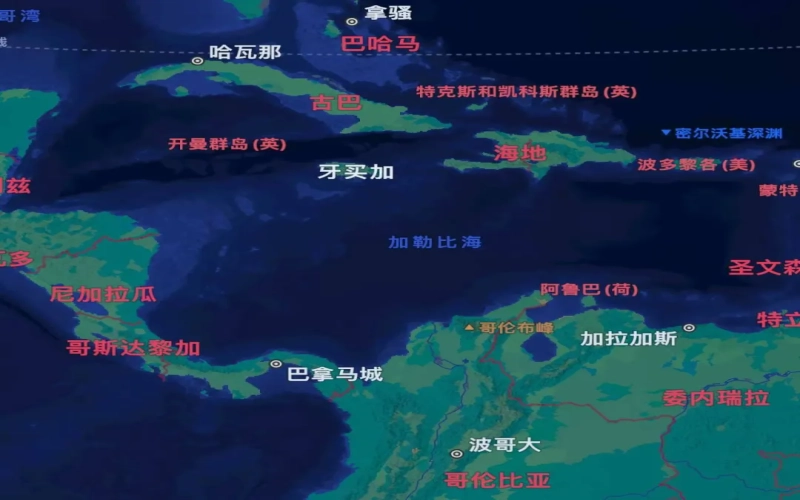
Blue Mountain coffee is Jamaica's most iconic product and a name familiar to coffee lovers worldwide. This island nation, located in the northwest Caribbean, has delineated a legally protected Blue Mountain coffee growing region thanks to its unique geographic and climatic conditions. Only Typica plants grown in the four parishes of St. Andrew, St. Thomas, Portland, and St. Mary, at altitudes between 915 and 1,700 meters, are eligible to bear the name "Jamaica Blue Mountain Coffee." This article will outline Jamaica's national overview and coffee industry regulatory system, introduce the terroir characteristics of the Blue Mountain growing region and the botanical features of the Typica variety, and share the brewing parameters and flavor profile of Front Street Coffee's Clifton Estate Blue Mountain No. 1, offering coffee enthusiasts a complete introductory reference to Blue Mountain coffee. [more…]
A Comprehensive Analysis of the Evolution of the Jamaican Coffee Industry, the Blue Mountain Legal Production Region, and the Flavor of Blue Mountain Coffee
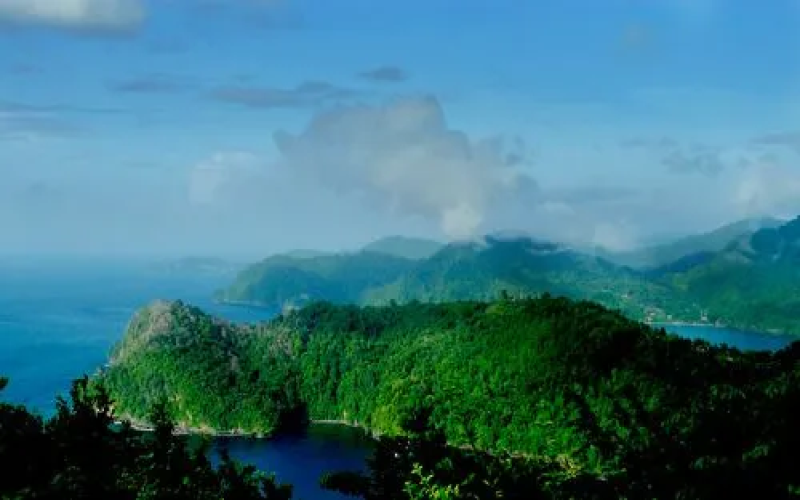
Jamaica is the third-largest island in the Caribbean. Its coffee industry, since the introduction of seedlings in 1728, has experienced rise and fall, ultimately gaining global renown through the Blue Mountain designated origin and strict quality supervision. In the late 18th century, cultivation expanded to the Blue Mountain region; the abolition of slavery and the loss of trade preferences led to the industry's decline, which was later reversed through legislation and institutional reforms to improve quality. Blue Mountain coffee is restricted to the Typica variety grown at elevations of 915 to 1,700 meters in the four parishes of Saint Andrew, Saint Thomas, Portland, and Saint Mary, and is packaged in wooden barrels; its flavor is renowned for being balanced and delicate. Front Street Coffee currently sells Blue Mountain from Clifton Estate, washed processing, with balanced acidity, body, and aroma, and a soft fruity acidity on the palate accompanied by a cocoa finish. [more…]
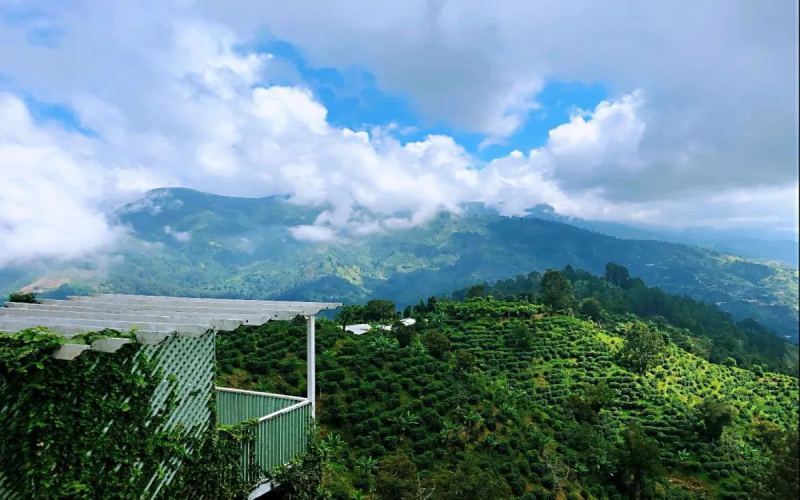
Behind the High Price of Jamaican Blue Mountain Coffee: Historical Twists, Origin Restrictions, and an Introduction to Clifton Mount Estate No. 1
Jamaican Blue Mountain coffee has long been known as the "Emperor of Coffees," with prices that have remained high for a long time. Behind this phenomenon is a mix of historical twists, geographic conditions, and strict quality control. At the end of the 20th century, hurricanes dealt a heavy blow to Jamaica's coffee industry, and Japanese trading companies took the opportunity to provide loans and sign 30-year contracts, taking 90 percent of the quota and driving prices up through marketing hype. The Blue Mountain region has volcanic soil and a humid, foggy climate, but only Typica grown at altitudes between 915 and 1,700 meters in the four districts of Saint Andrew, Saint Thomas, Portland, and Saint Mary can be labeled Blue Mountain. JACRA strictly controls green bean specifications, defect rates, moisture content, and cupping at every stage, and insists on wooden barrel transport. The Blue Mountain No. 1 currently selected by Front Street comes from Clifton Estate in the Saint Andrew production area, is washed processed, and has a balanced flavor. [more…]
A Complete Analysis of Jamaica Blue Mountain Coffee Regions: Three Major Regions, Grading System, and a Review of Blue Mountain No.1 Brands and Prices
Jamaican Blue Mountain coffee is one of the most prestigious coffees in the world, but do you really understand its production regions, grading rules, and brand landscape? This article starts with the three major regions of Saint Andrew, Portland, and Saint Thomas, sorts out the quality and price logic behind the BM, HM, and PM three-tier classification, and explains the traditional barrel packaging, the market role of Japan's UCC, and the brand characteristics and price rankings of Blue Mountain No. 1 coffee beans. The article also retains related recommendations from Front Street Coffee, making it suitable for enthusiasts who want to gain a deeper understanding of Blue Mountain coffee to read and save. [more…]
Where does the acidity in Blue Mountain coffee come from? An analysis of the varietal flavors and regional characteristics of authentic Blue Mountain coffee beans
Blue Mountain coffee enjoys a near-mythical status in the specialty coffee world, but many people's understanding of it stops at the name—they don't really know what authentic Blue Mountain coffee actually means. In fact, the Blue Mountain coffee-growing region is extremely limited in size, covering only about 6,000 hectares, and only coffee grown above 666 meters in elevation can be called "true Blue Mountain." Jamaica's Blue Mountain region mainly covers three areas: Saint Andrew, Portland, and Saint Thomas. These areas feature steep terrain, with coffee mostly grown on hillside slopes, resulting in scarce yields and difficult harvesting—which is precisely what has earned it globally recognized supreme status. The superior climate and soil conditions give Blue Mountain coffee a rich aroma and full-bodied taste; its flavor combines acidity, bitterness, richness, and sweetness, with plump beans and outstanding quality. This article will provide an in-depth analysis of the source of Blue Mountain coffee's acidity and its true varietal flavor characteristics. [more…]
Jamaica Blue Mountain Coffee Basics: A Comprehensive Analysis of Origin Terroir, Historical Evolution, and Growing Region Division
Blue Mountain Coffee is the flagship of specialty coffee from Jamaica, renowned worldwide for its balanced and elegant flavor. Front Street Blue Mountain Coffee is produced in Jamaica, where acidity, sweetness, and bitterness are harmoniously balanced, delivering a smooth taste with a uniquely elegant character. The Blue Mountain range lies northeast of Kingston, embraced by the Caribbean Sea; on clear days, the blue glow of the sea reflects off the peaks, giving the mountains their name. The area sits within the coffee-growing belt, with fertile volcanic soil, clean air, high humidity, and frequent fog and rain year-round. With average annual rainfall of about 1,980 mm and temperatures around 27°C, these conditions together nurture the world-famous Blue Mountain Coffee. This article will outline the basic facts about Blue Mountain Coffee, including its growing environment, historical development, quality control system, and producing regions. [more…]
Jamaica Sherwood Estate Blue Mountain Peaberry Flavor Analysis: The Aroma and Taste Experience of Typica PB
Located in the St. Thomas region of Jamaica, Sherwood Estate has focused on Blue Mountain coffee production since 1797. Its output accounts for only 2% of the total Blue Mountain coffee harvest, yet thanks to hand-processing and strict quality control, it is regarded as one of Jamaica's finest Blue Mountain coffees. This article will guide you through Sherwood Estate's growing environment and processing methods, and take a deep dive into the flavor characteristics of its Blue Mountain Peaberry—from apple and lemon to jasmine and rose aromas, and on to the balanced expression of soft fruit acidity and a sweet finish. If you are curious about the taste of Blue Mountain PB, this detailed introduction from Front Street Coffee is not to be missed. [more…]
An Analysis of the Characteristics of Jamaica Blue Mountain Coffee Producing Regions: Flavor Differences Between Clifton and Silver Hill Estates and Current Market Conditions
Jamaican Blue Mountain coffee is hailed as one of the coffees grown under the most favorable conditions in the world, yet its production area is limited, and true Blue Mountain coffee comes only from a specific region. This article will guide you through the history and evolution of Blue Mountain coffee, the terroir characteristics of the Portland and St. Thomas production areas, the differences between Clifton and Silver Hill estates, and the current monopoly of the Japanese market on Blue Mountain coffee. At the same time, Front Street Coffee has carefully selected authentic Blue Mountain flavor for you, so you can experience the unique charm of the Caribbean highlands. [more…]
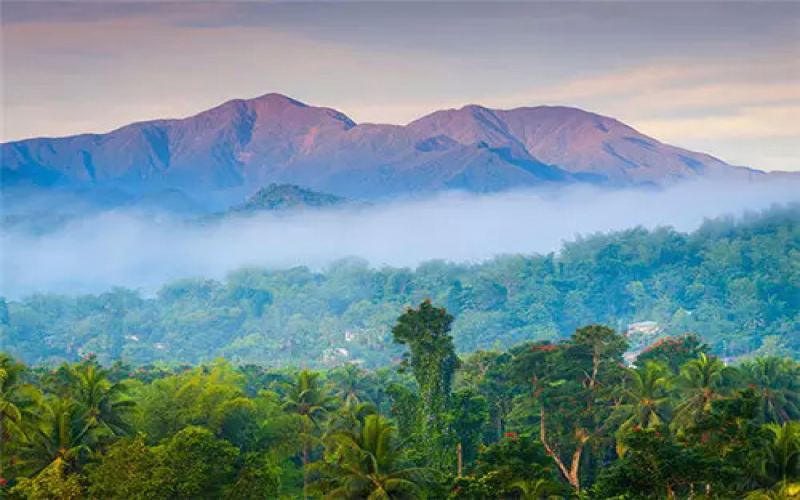
A Comprehensive Analysis of the Distribution of Jamaican Blue Mountain Coffee Producing Regions and the Flavor Characteristics of Blue Mountain No. 1
Blue Mountain coffee is renowned worldwide for its balanced, sweet, and mellow flavor, and Front Street Coffee's washed Blue Mountain is a favorite among many coffee lovers. However, the market is flooded with coffees bearing the Blue Mountain name, making it hard to tell genuine from fake. What kind of coffee can truly be called authentic Jamaican Blue Mountain? This article will guide you through the geography of the Blue Mountain range, the strict grading standards of the CIB, the distribution of the four major producing regions, and the unique evolution of the Typica variety in the Blue Mountains. At the same time, we will take an in-depth look at the Clifton Farm Blue Mountain No. 1 introduced by Front Street Coffee, covering everything from green bean standards to brewing parameters, fully presenting the flavor charm of this classic coffee. [more…]
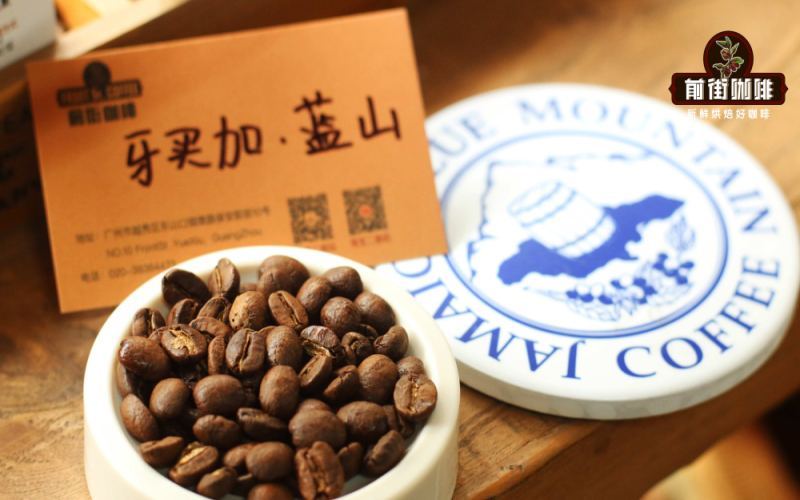
Authentic Jamaican Blue Mountain No. 1 Coffee Bean Buying Guide: A Full Analysis of Origin Standards, Grade Classification, and Brewing Flavor
Jamaican Blue Mountain coffee is hailed as the pinnacle of the coffee world, yet most products on the market labeled "Blue Mountain flavor" are not authentic Blue Mountain. True Blue Mountain coffee comes only from a specific growing region in Jamaica's Blue Mountains, from Typica plants grown at altitudes between 910 and 1,700 meters. Annual output is limited and grading is strict, with Blue Mountain No. 1 representing the very peak of quality. This article will walk you through the growing conditions, varietal characteristics, and grading standards of Blue Mountain coffee, as well as the origin background, roasting approach, and pour-over parameters of Front Street Coffee's Jamaican Blue Mountain No. 1 beans, complete with a full extraction method and flavor description, offering coffee lovers a professional and practical reference. [more…]
The Past and Present of Jamaican Blue Mountain Coffee: A Legend from a Caribbean Island to the World's Top Coffee
Front Street Coffee's Blue Mountain coffee originates from Jamaica and is recognized as one of the world's most exceptional coffees. It has a moderate balance of acidity, sweetness, and bitterness, with a pure flavor and an irresistible air of elegance. The Blue Mountain range lies northeast of Kingston, Jamaica's capital, and is named after the brilliant blue glow reflected off the Caribbean Sea. Located in the coffee belt, this region's fertile volcanic soil and year-round foggy, rainy climate have produced the world-renowned Blue Mountain coffee. From 1717, when King Louis XV of France ordered its cultivation, to 1950, when the Jamaica Coffee Industry Board was established, Blue Mountain coffee has passed through more than three centuries of legendary history. Today, the Blue Mountain region has only 6,000 hectares of planted area, with an annual output of about 40,000 bags, the vast majority of which is consumed by Japanese and European-American markets; authentic Blue Mountain coffee is rarely imported directly into the Chinese market. This article will give you a comprehensive understanding of Blue Mountain coffee's origin and terroir, development history, and current market situation. [more…]
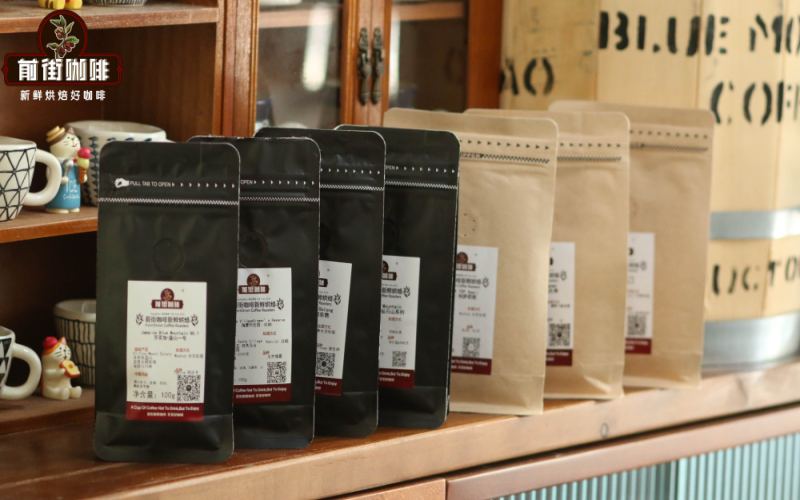
A Comprehensive Interpretation of Jamaican Blue Mountain Coffee Grading Standards and the Flavor and Price of Blue Mountain No. 1
Blue Mountain coffee was once synonymous with fine coffee in the minds of Chinese consumers, and today it remains a representative of classic specialty coffee. This article systematically reviews the producing regions, historical development, and green bean processing methods of Jamaican Blue Mountain coffee, with a focus on explaining the grading system based on altitude and defect rate, clarifying which grade Blue Mountain No. 1 belongs to and how it is priced, and including the brewing parameters and flavor description from Front Street Coffee's store, giving you a comprehensive understanding of this classic in the world of coffee. [more…]
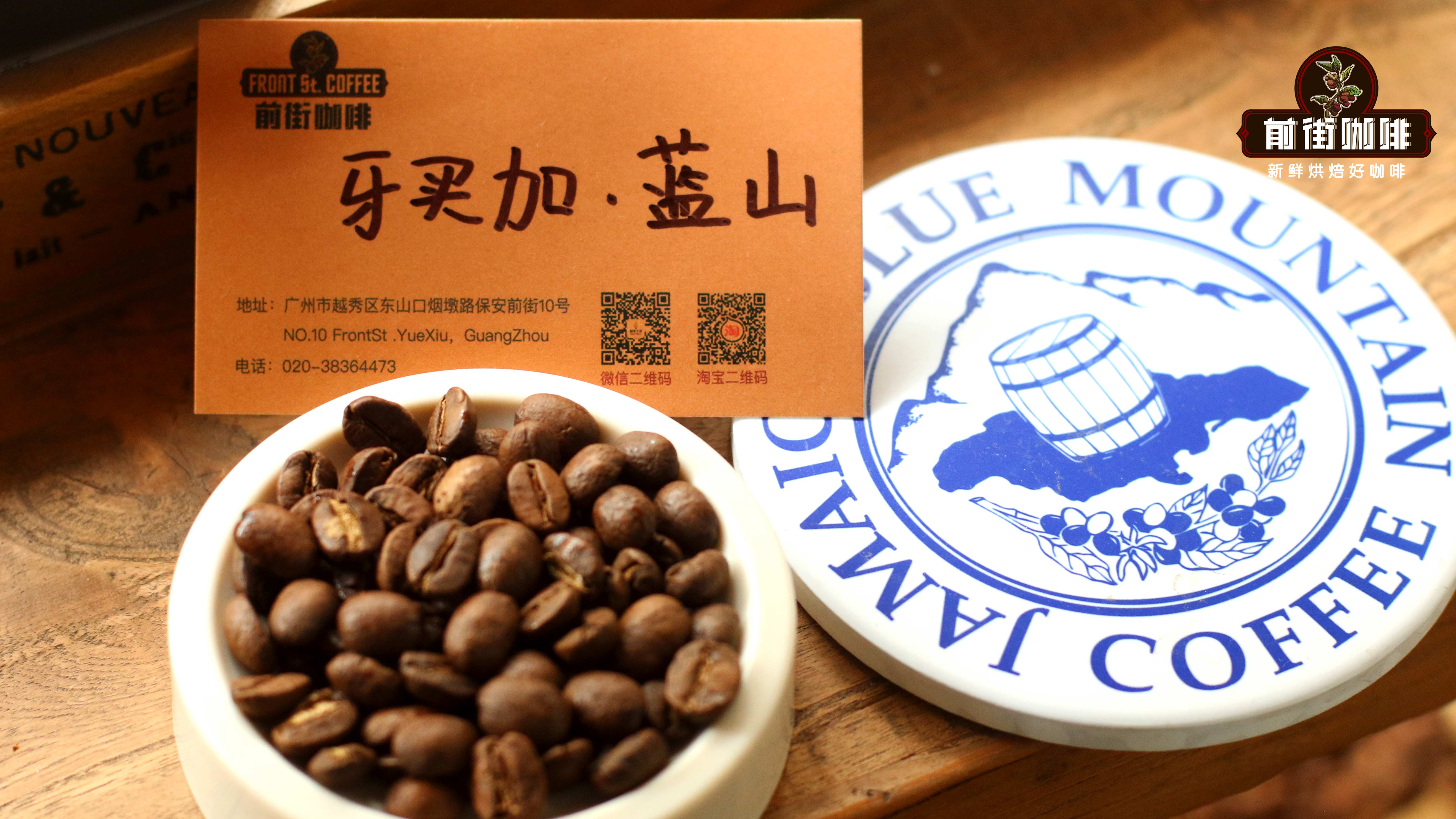
A Comprehensive Analysis of Jamaican Blue Mountain Coffee: From Production Region and Grades to Practical Brewing Guides for Espresso and Pour-Over
Blue Mountain coffee, as Jamaica's most representative specialty coffee, is world-renowned for the elegant flavors of the Typica variety and its strict grading system. This article begins with the historical origins of the Blue Mountain region, the washed processing method, and the CIB grading standards, then introduces the identifying characteristics of Blue Mountain No. 1 coffee beans, and shares in detail Front Street Blue Mountain No. 1 brewing recipes for espresso, latte, americano, as well as pour-over methods using three drippers—KONO, Kalita, and V60—helping you fully master this bean's flavor expression and brewing techniques. [more…]